
Article / Case Presentation
Kerameikos Health Center, Greece.
Efstathios Koutsostathis,
Kerameikos Health Center, Greece.
4 June 2026 ; 17 June 2026 ; 11 July 2026
Citation: Efstathios Koutsostathis (2026). Aluminum and Bone Metabolism. J Medical Case Repo 8(4):1-2. DOI : https://doi.org/10.47485/2767-5416.1155
Aluminum is the third most abundant element in nature and is present practically everywhere, including various foods. However, intake of normal amounts of aluminum, such as antacids and baby food, does not cause any problems. The intestinal tube and respiratory system act as barriers to the entry of this element into the bloodstream. However, parenteral nutrition, haemodialysis or even oral aluminum containing formulations administered to renal patients can lead to aluminum accumulation in the bones, parathyroid glands, liver, spleen and kidneys. Other sources of aluminum are calcium salts, phosphates, albumin medications and heparin. The toxic effects of aluminum on the bones include osteomalacia, osteoporotic fractures and hypoparathyroidism. In addition, they are associated with hepatotoxicity and cholestasis, microcytic anaemia and decreased activity of the active metabolite of vitamin D. Around 95% of the aluminum that crosses the natural barriers and enters the bloodstream is bound to transferrin.
The toxic effects of aluminum are depicted in the figure below:
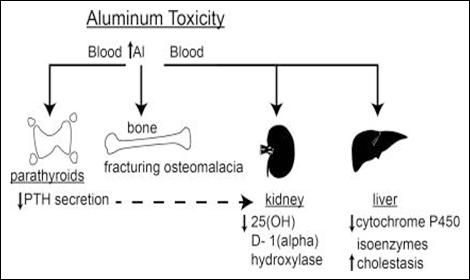 Figure 1: The toxic actions of aluminum on various organs, Aluminum toxicity to bone: A multisystem effect? Gordon L. Klein Οsteoporosis and sarcopenia 5 (2019) 2-9
The potential development of aluminum toxicity in bones may be manifested in concentrations of 100μg/g. In all events, aluminum accumulates on the bone surface, where osteoblasts deposit type I collagen, disrupting calcification and enhancing osteomalacia and secondary hypoparathyroidism. In addition, aluminum toxicity is linked to inhibited activity of renal hydroxylase, which catalyses hydroxylation of 25(ΟΗ)Vit D in position 1. This is accelerated by three mechanisms:
- Suppression of PTH secretion
- Molybdenum activity that deactivates hydroxylase
- Accumulation of the fibroblast growth factor, as is the case in renal failure.
These factors predispose the development of osteoporosis, mainly in female renal patients. (1)
Dioxins are a family of chemical substances that are similar in structure and chemical properties to furans. Dioxin refers to 2,3,7,7-TCDD, i.e. 2,3,7,8-tetrachlorodibenzo-p-dioxin, which is the most hazardous chemical compound of this family. These compounds are associated with carcinogenicity and are particularly toxic to the human body. Their half-life is 3 to 30 years, while the primary source of their release is burning waste, especially polyvinyl chlorides. Waste of this type is water bottles, pipes, cables, etc. Dioxins have the propensity to accumulate in fatty tissue and act as endocrine disrupting chemicals, changing the ratio of oestrogens and androgens in the body. They have also been associated with skin lesions, chlorine, liver disease and carcinogenicity. Recycling is considered the best way to prevent the adverse effects of dioxins. (1,2,3)
A number of studies have shown a negative correlation between increased levels of dioxins in the human body and bone density (measured using the z-score) in women. In experimental models this has been attributed to a reduction in osteoblast activity. In addition, the mineralisation process of the vertebrae appears to slow down, combined with a decrease in vitamin D levels. The actions of dioxins on bone metabolism depend on gender, but also on the age when exposure to increased doses took place. (4)
Furthermore, experimental data demonstrate the role of dioxins in bone metabolism. This way, they affect the integrity of the connective tissue, inhibit collagen type I synthesis and, by promoting oxidative stress, lead to increased concentration of pro-inflammatory cytokines, which activate osteoclast genesis. The effect of dioxins on oestrogen receptors, but also on receptors of other hormones, such as prolactin, thyroxine and corticosteroids, is extremely important. (5) This results in changes to oestrogen signalling, which include changes in gene expression. These changes are mediated through activation of the ΑhR (Aryl Hydrocarbon receptor), which is a transcription factor. (6).
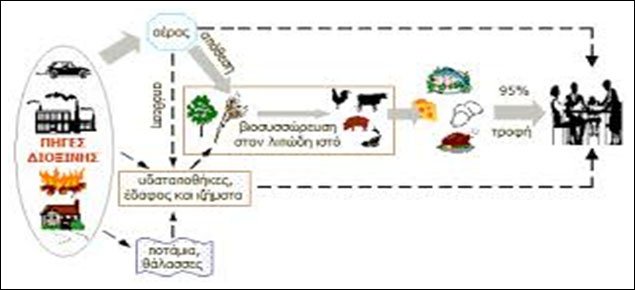 Figure 2: The relationship of dioxins to the food chain, from The chemical compound of the month, Athanasios Valavanidis. Konstantinos Efthymiou